The global equipment rental marketplace has evolved into a lucrative, cash-flow-dense sector for asset investors. High raw material inflation, soaring dealership financing rates, and prolonged factory lead times mean that construction contractors, infrastructure engineers, and event organizers can no longer afford to purchase specialized fleets outright. Instead, they budget heavily for temporary project tools.
This economic reality unlocks an extraordinary window for capital arbitrage. By mastering equipment acquisition, an investor can acquire used, overlooked machinery, recondition it strategically, and deploy it back into the local market. The holy grail of this business model is the “five-rental payback rule”—spotting niche, specialized gear where the daily or weekly leasing premium is so high relative to its used acquisition cost that just five high-ticket rental contracts completely recover the initial capital investment. This guide serves as your operational blueprint to scout, audit, procure, and scale a high-yield independent fleet.
Mapping Local Market Arbitrage Opportunities
Evaluating Regional Utilization Gaps and Competitor Fleet Blind Spots
The foundation of a high-yield rental operation is mapping the hyper-local gaps in regional equipment supply chains. Every municipality possesses its own distinct industrial tempo. Before you allocate capital to inventory, you must conduct a thorough field audit to discover exactly which assets regional contractors are struggling to book on short notice.
Building a highly profitable local equipment rental service requires looking directly at the operational failures of large corporate rental conglomerates. National rental yards prioritize high-volume, generic machinery like basic scissor lifts because they are easy to manage at scale. However, this corporate structure leaves an immense opening for specialized, niche assets. When a general contractor faces a three-week backlog to rent a unique piece of utility gear from a national provider, their project timelines stall. By building a focused independent service that targets these specific fleet shortages, you can command premium on-demand pricing.
Conduct Secret-Shopper Availability Audits:
Call corporate equipment yards in your fifty-mile radius every Monday morning to map out average scheduling backlogs.
Track Regional Municipal Project Approvals:
Review public zoning board registries to see what large-scale developments are greenlit.
Sourcing Mispriced Heavy Machinery
Scouting Auction Pipelines and Corporate Asset Liquidations
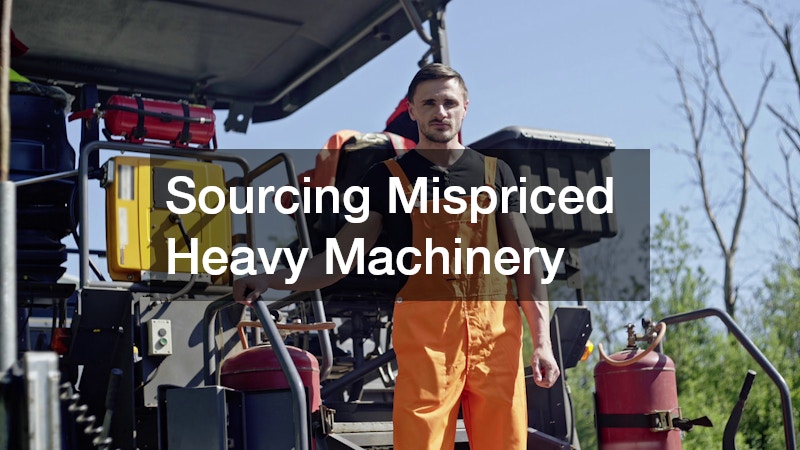
Once you have identified your local target inventory gaps, your next priority is executing highly disciplined, value-driven asset sourcing. The secret to hitting the five-rental payback metric is finding heavy machinery that displays cosmetic wear but retains an immaculate mechanical baseline. Corporate construction fleets routinely liquidate perfectly functional assets purely because the machines have hit arbitrary age thresholds mandated by enterprise depreciation schedules. Sourcing these diamonds in the rough requires building direct relationships with regional equipment liquidation brokers, industrial bankruptcy auction houses, and government surplus portals.
When entering the heavy equipment rental space, you must learn to calculate a transparent total cost of ownership matrix before submitting a bid. Every used machine will require immediate preventative maintenance, such as fluid purges, seal replacements, new batteries, and fresh tires. A high-performing asset investor prioritizes gear that simply needs basic aesthetic reconditioning, localized sandblasting, and minor component replacements, allowing them to rapidly list the hardware on the market and compress the time required to achieve total capital recovery.
Scan Digital Asset Liquidation Registers Daily:
Maintain automated search alerts on national bankruptcy portals to spot sudden regional distress sales.
Inspect Internal Hydraulic Fluid Signatures:
Pull oil samples from pump reservoirs during pre-purchase inspections to check for micro-particle metal shavings.
Capturing Massive Margins on Lifting and Rigging Hardware
Securing Micro-Fleet Overhead Handling Solutions for Medium-Tier Contractors
Overhead lifting platforms and warehouse logistics gear represent an incredibly high-yield segment of the commercial leasing marketplace. Indoor manufacturing plants, distribution facilities, and retail construction contractors must continuously move heavy pallets, dense manufacturing components, and structural steel beams across tight interior spaces. Because these indoor operations run year-round independent of weather shifts, launching a dedicated forklift rentals vertical allows your independent rental yard to capture steady, highly predictable monthly revenue that insulates your cash flow from typical winter slowdowns.
The secret to maximizing your ROI in the material-handling space is buying cushion-tire or pneumatic-tire units in the ultra-popular 3,000-to-5,000-pound capacity bracket. These mid-sized units are the absolute workhorses of modern supply chains, fitting perfectly into standard warehouse aisles. When sourcing a used unit for your fleet, focus intensely on the structural integrity of the multi-stage lift mast, hydraulic lift cylinders, and control valve blocks. A unit with faded paint but smooth, leak-free lifting controls can be picked up cheaply at a manufacturing liquidation auction, detailed over a weekend, and leased out to local businesses facing holiday inventory spikes.
Inspect Multi-Stage Mast Roller Clearances:
Check for excessive physical play or lateral shifting within the mast rails when extended under load.
Audit Tilt Cylinder Hydraulic Integrity:
Ensure that both forward and reverse tilt cylinders hold pressure perfectly without weeping fluid past primary seals.
Navigating Large-Scale Overhead Logistical Assets
Deploying High-Capacity Articulating Structural Booms Safely
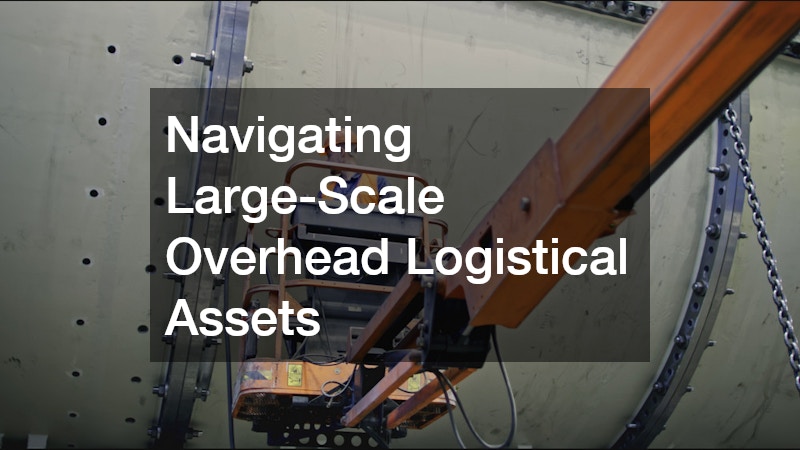
For investors who possess substantial starting capital and want to bypass low-ticket competition entirely, moving into high-capacity articulating boom lifts and self-propelled rough-terrain hoisting machinery is an elite strategy. These high-visibility assets are essential for commercial steel framing, industrial roofing, and high-level municipal utility repairs. Because the capital cost of a brand-new articulating unit can exceed six figures, medium-tier sub-contractors are highly dependent on crane rental networks and specialized aerial platform providers to complete their high-elevation project phases without draining their working corporate lines of credit.
Execute Non-Destructive Boom Structural Testing:
Utilize magnetic particle testing on critical boom section welds to confirm the absence of microscopic metal fatigue.
Audit Turntable Slew-Bearing Backlash Metrics:
Measure rotational play in the main swing gear assembly to ensure the rotation remains smooth.
Monetizing Waste Management Staging Fields
Building a Resilient, High-Volume Roll-Off Logistics Fleet
If heavy machinery maintenance feels too technically daunting, you can find immense rental yields by investing in the unglamorous world of waste management, demolition logistics, and site remediation. Every single residential roofing replacement, commercial strip-mall renovation, and neighborhood estate cleanout requires heavy-duty waste containment vessels. Launching a localized dumpster rental company allows you to capture highly resilient, recession-proof revenues because junk removal and construction demolition happen in every conceivable economic climate. The asset beauty of a waste container fleet resides in its structural simplicity; there are no engines to overhaul, no hydraulic pumps to fail, and no complex computer networks to program.
Audit Rear Door Hinge Reinforcement Points:
Inspect heavy-duty steel hinge pins on used containers to ensure they are unbent and incorporate functional grease fittings.
Evaluate Floor Sheet Steel Thicknesses:
Check interior floor plates for severe thinning, corrosion holes, or heavy bowing caused by heavy debris drops.
Optimizing Last-Mile Logistics for Waste Containers
Minimizing Transit Wear and Tear on Rolling Metal Steel Boxes
Operating a successful waste container rental enterprise requires an executive focus on scheduling velocity, asset tracking, and tight transportation logistics management. Your net profitability in this industry is tied directly to container rotation speed—how quickly a bin can be dropped, filled, pulled, dumped, and reset at a fresh job site. To scale your operation without drowning in administrative chaos, you must deploy advanced cloud-based logistics software that coordinates truck routes and automates tipping fee tracking. Minimizing empty travel legs for your transport trucks maximizes daily revenue generation.
When a customer fills one of your dumpster rentals with heavy debris like wet plaster or concrete, the landfill will charge you a steep weight fee upon disposal. Your customer contracts must explicitly factor in these volume-to-weight ratios. By structuring your rental terms to include a generous baseline weight allowance coupled with clear, per-ton overage fees, you insulate your business capital against margin erosion.
Automate Weight-Overage Customer Contract Disclosures:
Require digital signatures on rental agreements that clearly detail the exact dollar-per-ton penalties.
Deploy Rugged GPS Container Tracking Tags:
Affix weather-sealed cellular asset trackers to every container box to maintain real-time visibility.
Dominating Experiential Structure Engineering
Acquiring Heavy-Duty Clear-Span Event Frameworks for Luxury Venues
The experiential entertainment, corporate convention, and luxury wedding industries represent a multi-billion-dollar marketplace that relies entirely on temporary, high-end structural fabric architecture. Sourcing under-priced commercial fabric enclosures allows you to enter the elite tier of regional event logistics. Providing premium party tent rentals for high-end celebrations, corporate product launches, and seasonal music festivals commands an incredible pricing premium over standard tool leasing. A single weekend rental of a large-format, engineered clear-span structure can easily yield thousands of dollars, allowing you to hit total capital recovery milestones within your first handful of field deployments.
Verify Certified Flame-Retardant Chemical Registrations:
Ensure all structural fabric skins retain fully legible, sewn-in state fire marshal safety tags.
Inspect Aluminum Keder-Track Channel Alignment:
Check structural aluminum channels along frame arches to ensure they are free from bends or distortions.
Scaling High-Volume Structural Fabric Architecture
Securing Long-Term Corporate and Municipal Spatial Enclosures
Once you have established a foothold in the seasonal weekend event market, you can scale your fabric inventory into the highly stable, high-volume B2B marketplace by providing temporary warehouses, municipal storage spaces, and disaster-relief shelters. Launching a specialized commercial tent rental division allows your asset firm to secure multi-month or even multi-year leasing contracts with industrial manufacturing complexes, logistics fields, and airport freight operations requiring temporary space extensions. These long-term corporate leases generate incredibly steady, predictable recurring revenue that completely smooths out seasonal volatility.
Verify Independent Engineering Wind-Load Calculations:
Secure original manufacturer’s structural engineering documents certifying that the frame layout can withstand sustained wind loads.
Audit Solid ABS Sidewall Panel Inventories:
Choose setups that include modular hard-plastic or glass sidewalls for enhanced structural security over standard soft vinyl curtains.
Navigating Luxury Mobile Sanitation Logistics

Engineering Multi-Zone Waste Treatment Infrastructure on Wheels
As outdoor events, film productions, and high-end experiential gatherings continue to expand into remote locations, providing premium on-site amenities has become a massive, high-margin sub-sector of the rental economy. High-net-worth wedding planners, corporate gala coordinators, and luxury sports tournament organizers will no longer accept primitive plastic chemical toilets for their guests. Sourcing under-priced, high-end mobile sanitation trailers allows you to build a highly lucrative portfolio of bathroom trailer rentals. These luxurious, asset-dense platforms feature clean running water, porcelain flushing toilets, climate-controlled interiors, high-end lighting, and custom hardwood vanities, commanding immense daily leasing premiums.
Audit Structural Polyethylene Waste Tank Integrity:
Execute a full pressure test on underlying waste-holding wells to ensure there are zero micro-fissures.
Inspect Sub-Floor Marine Plywood Rigidity:
Walk thoroughly along interior walkways, focusing intensely around bases of toilets and sinks to check for hidden wood rot.
Capitalizing on Mobile Hospitality and Recreational Arbitrage
Transforming Luxury Travel Assets into High-Yield Commercial Fleets
The global shift toward experiential, self-directed travel and local outdoor exploration has triggered a massive consumer demand for mobile hospitality assets. Many consumers dream of taking family cross-country road trips or hosting luxury campsite gatherings, but cannot justify the steep purchase prices and ongoing maintenance costs of owning a recreational vehicle outright. This economic calculation creates an exceptional investment opening for independent asset managers. By acquiring clean, under-priced motorhomes and luxury camper vans, you can position your firm to capture massive consumer travel budgets, directly competing with the regional corporate-backed local rv rental companies that dominate the vacation landscape.
Prioritize Certified Pre-Owned Fleet Turning Stock:
Source assets from large-scale rental agencies updating their inventory, as these vehicles include transparent service logs.
Audit Onboard Generator Auxiliary Hour Logs:
Inspect internal engine run-times of auxiliary generators, as excessive hours point to heavy appliance wear.
Operational Execution and Fleet Portfolio Management
Reinvesting Cash Flow Runways to Build a Self-Sustaining Rental Empire
Once you have successfully scouted and acquired your initial high-yield rental assets, your transition from a casual tool collector to an elite asset executive requires deploying a bulletproof operational infrastructure. Your first administrative priority must be engineering ironclad customer rental contracts. Work with specialized contract attorneys to construct agreements that explicitly dictate credit-card security holds, clear fuel and cleaning return mandates, and comprehensive damage waivers that place the financial responsibility for field abuse squarely on the lessee’s insurance policy.
Your Rental Infrastructure Checklist:
Configure your payment processing system to automatically place high-value security authorizations on client credit cards prior to asset handovers.
Author Comprehensive Digital SOP Libraries:
Document step-by-step written and video maintenance procedures for every machine in your yard.
Maximizing the trade-in value of your vehicle or commercial asset requires abandoning old assumptions about cosmetic prep and adopting a proactive strategy focused on total asset preservation. In today’s competitive, data-driven automotive and equipment market, value is defined by mechanical precision and structural integrity. By systematically auditing your car or machinery’s underlying systems, partnering with high-caliber collision facilities, and sourcing quality alternative parts, you can easily transform a standard used asset back into a premium, turn-key retail vehicle or cash-flowing tool.
The time and effort you invest in reconditioning your hardware pays off directly when you step into the negotiation room. Armed with detailed service portfolios, digital frame data certificates, and a flawless mechanical presentation, you completely disarm the appraiser’s ability to drive down your price. Ultimately, taking charge of the reconditioning process allows you to dictate the valuation narrative, protect your investment equity, and secure a highly profitable upgrade that sets a clear new standard for smart asset ownership.