November 8, 2026
826428.jpg
Achieving rapid business growth in today’s competitive market requires a strategic balance of operational agility, physical infrastructure scaling, and robust partner ecosystems. Expanding enterprises must continuously align their internal capabilities with external market opportunities while building an environment where employees and clients can thrive. When a company experiences a surge in demand, its underlying facilities and support structures undergo immense pressure. Preparing these foundational elements in advance guarantees that growth is supported by a stable, reliable foundation capable of long-term performance and sustainable market leadership.
As organizations transition from regional players into mature market leaders, the complexity of managing physical assets multiplies exponentially. Supply chain fluctuations, stricter environmental compliance, and higher workplace density demand proactive oversight rather than reactive fixes. Leaders who anticipate these infrastructural pinch points can safeguard their operational continuity, protect vital capital investments, and foster an organizational culture built on resilience and mutual trust.
Strategic scaling extends far beyond software integrations, digital marketing, and sales pipelines; it touches every aspect of a company’s physical presence and operational safety. From acquiring permit approvals for new facilities to optimizing energy management and security, executing a comprehensive growth strategy requires seamless coordination across multiple disciplines. By proactively investing in facility resilience, workspace design, and high-quality technical partnerships, expanding companies maintain high operational standards, mitigate costly disruptions, and establish a clear competitive edge in their sector.
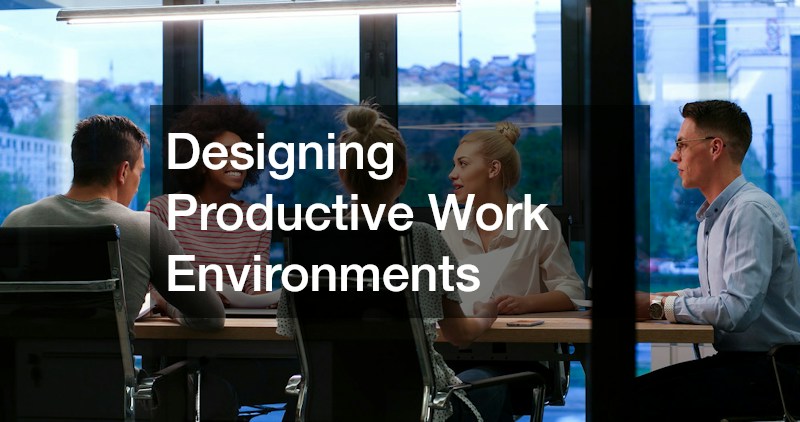
Designing Productive Work Environments

Designing Productive Work Environments

Rapid corporate expansion demands a physical setup capable of accommodating higher headcount, increased inventory, and elevated client activity without sacrificing productivity or service quality. Business leaders often focus heavily on expanding digital infrastructure, but physical office space and operational centers require equal consideration during growth phases. Upgrading work environments early prevents operational bottlenecks and allows teams to collaborate efficiently as daily transaction volumes rise and operational complexity increases.
A key component of establishing a modern, adaptable workspace is selecting high-quality contract furniture designed for heavy commercial use and ergonomic support. Equipping team members with adaptable workstations, executive suites, and collaborative conference setups fosters higher employee morale and projects professional credibility to visiting partners. Modern interior layouts ensure that expanding teams remain productive while laying the groundwork for seamless future growth. Furthermore, thoughtfully configured spaces reduce physical strain, improve daily workflow organization, and create a welcoming atmosphere that naturally attracts top-tier talent to the growing enterprise.

Managing Structural Expansion and Construction

Opening new branch offices, expanding warehouses, or renovating existing corporate headquarters requires precise coordination, strict safety oversight, and adherence to strict timelines. Facility modifications must proceed smoothly alongside daily operations to avoid unexpected downtime or revenue losses. Managing multi-stage structural enhancements requires experienced project leaders who can balance budgets, material logistics, and regulatory compliance effortlessly without compromising building integrity.
Partnering with a proven commercial contractor ensures that building projects, structural alterations, and interior build-outs move forward efficiently from planning to final inspection. These general construction professionals manage specialized trade teams, oversee site safety, and keep multi-phase expansions strictly on schedule. Leaving structural developments to experts allows business leaders to focus on core revenue-generating strategies while their physical footprint grows safely, reliably, and in complete alignment with corporate brand standards.

Expediting Municipal Approvals and Compliance
Navigating local municipal codes, architectural reviews, zoning compliance, and safety standards is often one of the most time-consuming aspects of physical business expansion. Obtaining local government approvals involves complex documentation and strict adherence to structural and environmental guidelines. Delays in securing building authorizations can halt construction, delay launch dates, and strain operational cash flow during critical growth phases when momentum matters most.
Engaging dedicated commercial permit services streamlines the entire municipal approval process by handling paperwork, tracking approvals, and communicating directly with local authorities. These specialists understand regional regulations and zoning requirements, helping growing businesses avoid costly compliance mistakes and administrative hurdles. Delegating administrative permissions ensures projects remain on target while preserving management time for strategic growth initiatives and client-facing business development.
Safeguarding Premises with Access Controls

Safeguarding Premises with Access Controls

As companies grow in size, personnel count, and asset value, protecting corporate assets, proprietary information, and staff becomes an operational priority. Expanding facility footprints often means managing higher volumes of daily visitors, contractors, and employees across multiple entry points. Establishing controlled access protocols protects sensitive hardware, financial records, and intellectual property from unauthorized access and potential security breaches.
Working alongside a certified commercial locksmith enables enterprises to implement modern security measures, master key setups, and electronic access systems across all locations. These security professionals assist with high-security lock hardware, repair heavy-duty entry systems, and configure restricted access zones tailored to distinct departments. A well-designed security infrastructure safeguards physical assets while offering peace of mind to employees across all operational locations.

Maintaining Internal Sanitation and Plumbing

Maintaining high standards for facility hygiene, employee health, and sanitation systems is critical for uninterrupted corporate operations. Heavy daily usage in expanding office buildings places significant demand on internal water lines, restroom facilities, and specialized drainage systems. Unexpected plumbing failures can disrupt productivity, damage property, and create uncomfortable environments for staff and clients alike.
Relying on experienced commercial plumbers ensures corporate water networks, waste lines, and backflow prevention systems remain compliant and fully operational. These trade specialists conduct routine system inspections, fix emergency leaks, and install code-compliant sanitation hardware for high-capacity buildings. Proactive plumbing care mitigates emergency repair costs, maintains strict health compliance, and protects valuable real estate assets over time.

Optimizing Indoor Climate and Ventilation
Modern commercial facilities depend heavily on reliable heating, ventilation, and air conditioning to maintain indoor air quality, employee comfort, and optimal machine performance. Server rooms, manufacturing spaces, and open-plan offices all rely on precisely managed climate conditions to operate safely. Inefficient climate systems increase utility costs and risk damaging valuable technical hardware.
Partnering with a reliable commercial hvac company allows growing enterprises to install energy-efficient climate control systems, set up preventative maintenance schedules, and resolve equipment issues quickly. Skilled technicians optimize airflow, calibrate smart thermostats, and upgrade filtration systems to maintain clean, comfortable work environments. Proactive climate management reduces energy overhead while maintaining high operational productivity year-round.
Upgrading Electrical Power and Distribution

Upgrading Electrical Power and Distribution

Rapid business expansion typically increases power consumption through added workstations, high-powered server setups, and specialized equipment. Outdated electrical setups pose major safety hazards, risk equipment damage, and create operational disruptions during power spikes. Modernizing electrical distribution panels, backup generators, and wiring keeps digital and physical assets running continuously.
Consulting a licensed commercial electrician ensures all electrical installations meet current building safety standards and handle high operational power requirements. These certified professionals set up backup generator networks, install energy-efficient lighting solutions, and conduct rigorous safety audits across corporate sites. Maintaining robust power systems protects valuable IT infrastructure and eliminates unexpected operational downtime.

Enhancing Parking Pavement and Traffic Flow

A company’s exterior parking areas, driveways, and loading zones serve as critical touchpoints for employees, logistical partners, and prospective clients. Potholes, poor drainage, and worn directional markings compromise safety, increase corporate liability risks, and negatively impact brand perception. Maintaining smooth, well-marked pavement reflects high standards of organizational quality.
Hiring an experienced commercial asphalt contractor ensures corporate parking lots, heavy-duty access roads, and delivery bays are properly paved, sealed, and maintained. These paving specialists repair cracks, apply protective coatings, and re-stripe stalls to improve traffic flow and pedestrian safety. Well-maintained exterior surfaces preserve asset value, prevent vehicle damage, and provide a welcoming experience for all facility visitors.

Elevating Landscaping and Outdoor Grounds

The exterior grounds of a corporate office or industrial complex heavily influence first impressions for clients, job candidates, and community stakeholders. Clean, healthy green spaces, trimmed hedges, and clear walkways showcase organizational pride and enhance overall property values. Additionally, well-maintained outdoor spaces offer refreshing break areas for employees, promoting overall workplace wellness.
Outsourcing routine landscape management to a professional commercial grounds maintenance team keeps green spaces, lawn turf, and irrigation systems pristine year-round. These outdoor specialists manage seasonal plantings, tree care, weed control, and general debris removal to maintain safe, attractive properties. Consistent groundskeeping elevates visual branding while relieving internal teams from site management duties.

Maintaining Entryways and Door Mechanisms

High-traffic entryway systems, including automatic sliding glass doors, overhead loading bays, and security gates, experience heavy daily wear in expanding facilities. Faulty door mechanisms pose safety hazards, disrupt security protocols, and result in conditioned air escaping the building. Ensuring all primary and secondary entry points operate smoothly is essential for daily traffic flow and safety.
Relying on specialized commercial door repair services ensures building entry systems, fire doors, and automated barriers function reliably and securely. Qualified technicians repair worn tracks, align optical sensors, and replace damaged closing mechanisms to preserve climate control and building access. Maintaining functional entry systems protects building security, prevents accidents, and maintains accessibility compliance across facilities.

Optimizing Internal Lighting and Workspace Illumination
Proper illumination is a critical yet frequently overlooked element of modern workspace design. Adequate lighting reduces eye strain, boosts daily focus, and creates a vibrant, energized atmosphere for employees handling detailed tasks. Furthermore, well-lit corridors and facility perimeters significantly enhance overall workplace safety for night shifts and visitors alike.
Upgrading to advanced lighting solutions lowers long-term electricity consumption while updating the visual aesthetic of the corporate environment. Working alongside professional technical teams ensures that lighting retrofits, architectural fixtures, and emergency exit illumination comply with strict building codes. A brightly lit, thoughtfully designed interior directly supports employee well-being and corporate productivity.
Protecting Corporate Assets with Advanced Monitoring

Protecting Corporate Assets with Advanced Monitoring

As enterprise footprints expand across multiple locations, comprehensive asset tracking and surveillance become essential for loss prevention. Modern businesses manage high volumes of valuable inventory, IT equipment, and mobile assets that require continuous oversight. Implementing advanced surveillance and asset tracking tools protects the organization against internal and external shrinkage.
Integrating comprehensive monitoring systems into daily facility management allows leadership to maintain full visibility over operational hubs. Reliable oversight creates accountability, deters unauthorized access, and provides valuable data for optimizing warehouse and office layouts. Protecting corporate assets safeguards profit margins and ensures continuous business momentum during periods of rapid scaling.

Establishing Proactive Facility Maintenance Protocols

Establishing structured preventative maintenance plans across all operational sites is one of the most effective ways to avoid sudden, costly business interruptions. Waiting for key infrastructure components to fail before taking action leads to operational delays, high emergency repair costs, and lost productivity. Scheduled inspections allow expanding enterprises to extend hardware lifespan and maintain predictable operating budgets.
Engaging qualified service professionals across technical disciplines creates an efficient framework for routine maintenance and rapid emergency response. Establishing clear communication channels with reliable trade contractors ensures that minor wear and tear is addressed before escalating into major structural or mechanical issues. Preventative asset care keeps corporate facilities running at peak efficiency so management can focus fully on core business expansion.
Sustained business growth is achieved through a deliberate combination of forward-thinking strategy, operational efficiency, and a resilient physical infrastructure. By addressing everything from municipal compliance and exterior access to electrical capacity, security setups, and interior comfort, expanding companies build an operational environment built for long-term productivity and stability.


As a company expands, relying on ad-hoc repairs and short-term operational fixes creates significant vulnerabilities that can disrupt daily workflows. Sustainable scaling requires moving beyond reactive management to build structured, forward-looking facility operations. Establishing dedicated maintenance frameworks ensures that physical hubs, safety standards, and technical systems scale in tandem with commercial demand. By treating facilities as critical components of overall performance rather than background support, growing enterprises create an environment where staff can operate efficiently and organizational goals can be achieved without unexpected structural friction.

Investing in high-quality facility management and establishing long-term relationships with proven service providers provides the stability needed to navigate rapid growth successfully. Companies that prioritize building safety, asset maintenance, and strong vendor partnerships position themselves to outpace industry competitors and sustain long-term business success. Developing trusted vendor networks eliminates the operational delays associated with sourcing emergency contractors during unexpected failures, ensuring priority response times and consistent quality standards across all sites. Furthermore, strategic facility management protects major capital investments by extending the lifespan of key mechanical, electrical, and structural assets. This proactive approach transforms facility oversight into a predictable cost center, helping leadership forecast operational expenditures accurately while safeguarding baseline profit margins. Ultimately, aligning physical infrastructure with overarching commercial objectives establishes an agile operational framework—one capable of supporting high-volume performance, maintaining brand integrity, and driving market leadership over the long term.