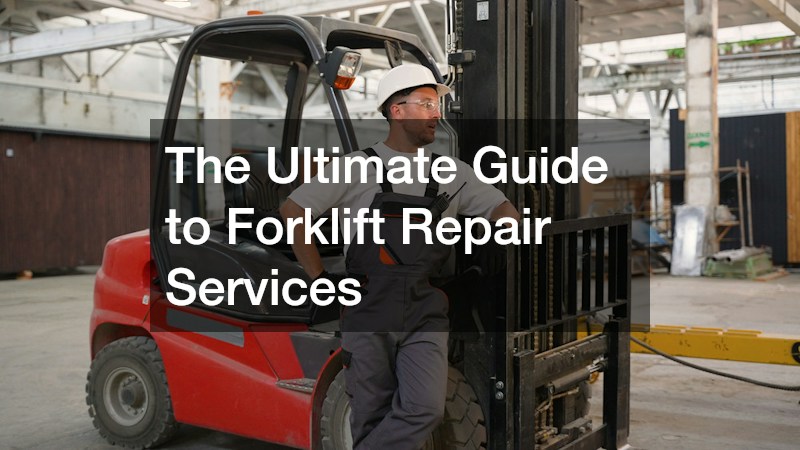
In modern industrial, manufacturing, and warehousing facilities, forklifts are the backbone of day-to-day material handling. When a lift truck goes down unexpectedly, productivity stalls, supply chains bottleneck, and emergency operating costs rapidly mount. Securing dependable forklift repair services and implementing disciplined preventative maintenance schedules are the most effective ways to protect equipment longevity, safeguard warehouse workers, and maintain efficient workflows.
Whether managing a single warehouse truck or overseeing a large distribution fleet, knowing how to spot mechanical trouble early—and understanding what professional servicing entails—makes all the difference.
Critical Inspections: Mast, Chains, and Hydraulic Systems
The lifting assembly endures intense dynamic stress during every operating shift. A comprehensive inspection begins at the front of the truck with the mast, lift chains, and carriage.
Over time, lift chains can stretch, links can crack, and anchors can wear down unevenly. Regular servicing requires measuring chain elongation, verifying proper tension between paired chains, and applying dedicated chain lubrication.
A common maintenance mistake involves the mast channels. Modern forklifts often utilize roller-style mast assemblies. While older slide-style mast designs relied on heavy grease, applying thick chassis grease to roller-style mast rail channels can actually attract abrasive grit, dust, and warehouse debris. This abrasive slurry causes rollers to slide instead of spin freely, creating flat spots and accelerating wear on the mast channels. Roller channels should generally remain clean and ungreased, with lubricant reserved strictly for designated wear strips or specific slide contact points.
Hydraulic integrity is equally critical. Small hydraulic leaks around tilt cylinders, lift rams, and flexible high-pressure hoses quickly turn smooth warehouse floors into dangerous slip hazards. Technicians monitor fluid reservoir levels, check fittings for weeping seals, inspect hoses for dry rot or fraying, and verify that pressure relief valves cycle properly under full-rated loads.
Internal Combustion and Powertrain Care
For internal combustion (IC) forklifts powered by LPG (propane), diesel, or gasoline, engine and drivetrain care directly dictates machine reliability. Routine maintenance intervals typically occur every 250 to 500 operating hours.
Key procedures include:
- Engine Oil and Filter Replacements: Degraded engine oil increases internal component friction and causes oil pressure to drop. Some modern forklift engine control modules will restrict fuel delivery or shut the engine down if oil pressure drops below a safe threshold.
- Cooling System Flushes: Forklifts operate in dusty, enclosed settings where radiators collect lint and dirt. Blowing out the radiator fins and inspecting the water pump, thermostat, and coolant level prevents severe engine overheating and cylinder head warping.
- Fuel and Air Delivery: For LPG systems, inspecting vaporizer/regulator units, testing lock-off valves, and checking for brittle LP hoses avoids dangerous fuel leaks and rough idle conditions. Clean engine air filters preserve horsepower and prevent premature piston wear.
- Brake and Steering Diagnostics: Steering axles, kingpins, and tie-rod ends are subject to continuous abuse when maneuvering across floor joints and dock plates. Testing brake shoe thickness, master cylinders, and inching pedal adjustments ensures stopping power remains crisp and predictable.
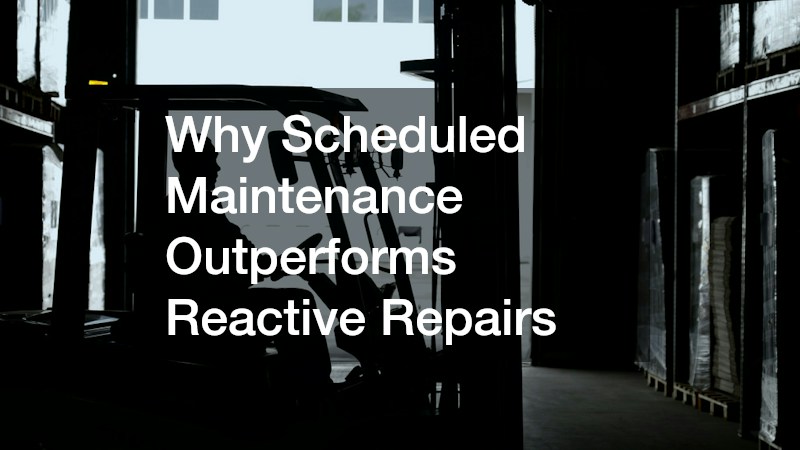
Why Scheduled Maintenance Outperforms Reactive Repairs
Waiting until a lift truck completely breaks down leads to costly secondary damage and extended operational delays. By scheduling forklift repair services, certified technicians catch minor defects—such as a slightly worn steer tire, a loose carriage roller, or weeping cylinder packings—before they lead to catastrophic failures.
Professional technicians arrive equipped with specialized diagnostic scanners, mast alignment tools, and genuine OEM parts designed to withstand heavy cyclic loads. Furthermore, documented maintenance records ensure compliance with OSHA workplace safety mandates and preserve the long-term resale value of material handling equipment.
Investing in planned maintenance reduces overall lifetime operating costs, minimizes unplanned downtime, and provides warehouse managers with total peace of mind.
If your facility is experiencing unexpected equipment breakdowns, lagging lift response, or requires scheduled fleet maintenance, trust the certified technicians at Frontier Forklifts & Equipment to keep your business moving. Contact Frontier Forklifts & Equipment today to schedule comprehensive forklift repair services and secure dependable, top-tier performance for your entire material handling fleet.